7 Paper Games for a Family Night With Zero Setup
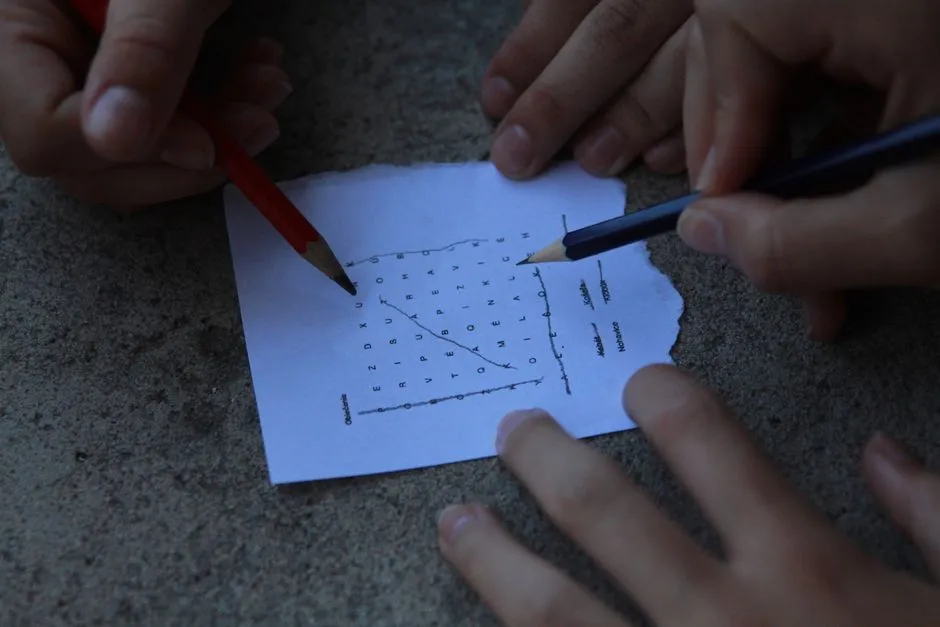
Start with one rule: keep it moving
Paper games are excellent because nobody has to locate a charger, learn a 28-page rulebook, or discover that three vital pieces vanished in 2019. Put paper in the middle, give everyone a pencil, and choose a game that fits the youngest player’s reading and writing level.
Agree on a short round length before starting. Five to ten minutes is plenty for most games. Let players pass, team up, or draw instead of write. Fun is not improved by trapping a reluctant participant in compulsory charades with stationery.
1. Categories sprint
Choose five categories, such as foods, animals, places, objects, and names. Pick a letter. Everyone has two minutes to write one answer in each category beginning with that letter. Award one point for a valid repeated answer and two for a unique answer, or skip scoring entirely.
For younger players, use a sound rather than a written letter and work in pairs. Avoid categories that invite personal judgments about people in the room.
2. Folded creature
The first player draws a head at the top of a sheet, folds the paper so only two neck marks show, and passes it on. The next draws a torso, folds, and passes; the last adds legs. Unfold the final beast with appropriate ceremony. Artistic skill is neither expected nor particularly helpful.
Use thick paper and crayons for small children. Keep pen caps and other small pieces away from children who may put them in their mouths.
3. One-line story
Write an opening sentence. Each player adds exactly one sentence, then passes the page. Set a maximum of two trips around the table so the plot reaches an ending before everyone ages visibly. For pre-readers, take turns dictating sentences to one writer.
4. Dots and boxes
Draw an even grid of dots. Players alternate adding one horizontal or vertical line between adjacent dots. Completing a box earns that player an initial inside it and another turn. The most boxes wins.
Begin with a small grid—four dots by four is enough to learn. Larger grids create deeper strategy but also lengthen the game.
5. Mystery doodle
One person draws a simple squiggle or shape. The next person turns it into a recognizable picture. Rotate the starter and finisher roles. Add a one-minute timer if the group enjoys pressure; leave it out if speed turns creativity into a small administrative crisis.
6. Forbidden word descriptions
Write familiar objects on slips. A player draws one and describes it without saying the object’s name or an agreed set of obvious words. Their team guesses for one minute. Review slips first so vocabulary suits all players, and allow skipping without penalty.
7. Paper telephone
Each person writes a short sentence, passes it, and the next person draws that sentence. Fold to hide the sentence and pass again; the following player writes what the drawing appears to show. Continue alternating. Reveal the chain at the end.
Keep prompts kind and fictional. Do not use private information, embarrassing incidents, or someone’s appearance as material.
Make the night fit your table
Choose two or three games from this list instead of attempting all seven. Put simple options beside word-heavy ones, and switch before energy drops. The Table Games collection has the same low-prep philosophy.
If people need to move after sitting, build a safe indoor scavenger hunt next. Clear walking routes first. The winner may claim glory; the host still has to collect the pencils.